
866.545.6570
How to Choose the Right Cabinet Layout for Your Kitchen Remodel
When planning a kitchen remodel, it is easy to focus on cabinet colors, door styles, and finishes. But long before those decisions come into play, one choice quietly shapes how your kitchen will look, feel, and function every single day: the cabinet layout.
The right cabinet layout does more than define where cabinets sit. It determines how smoothly you move through the space, how organized your kitchen feels, and how enjoyable it is to cook, gather, and live in. A thoughtful layout helps your kitchen work for you, not against you.
This guide walks through how to choose a cabinet layout that fits your space, your lifestyle, and your long-term goals, helping you see the full vision before a single cabinet is installed.
Why Cabinet Layout Matters More Than You Think
Cabinet layout influences nearly every aspect of a kitchen, including:
- Workflow and efficiency
- Storage capacity and accessibility
- Traffic flow for family and guests
- Appliance placement and clearance
- Overall comfort and usability
A well-planned layout feels intuitive. You reach for what you need without thinking. You have space to prep, cook, and clean without bumping into corners or people. When layout is overlooked, even beautiful cabinets can feel frustrating to live with.
Start With the Space You Have
Before choosing a layout style, take a step back and look at your actual kitchen.
Consider:
- The size and shape of the room
- Doorways, windows, and walkways
- Ceiling height and natural light
- Where plumbing and gas lines exist
Not every layout works in every space. A design that looks great online may not translate well to your home. The goal is not to force a layout, but to choose one that feels natural within the room’s footprint.
Common Kitchen Cabinet Layouts Explained
Understanding the most common layouts helps you visualize what may work best.
Galley Kitchens
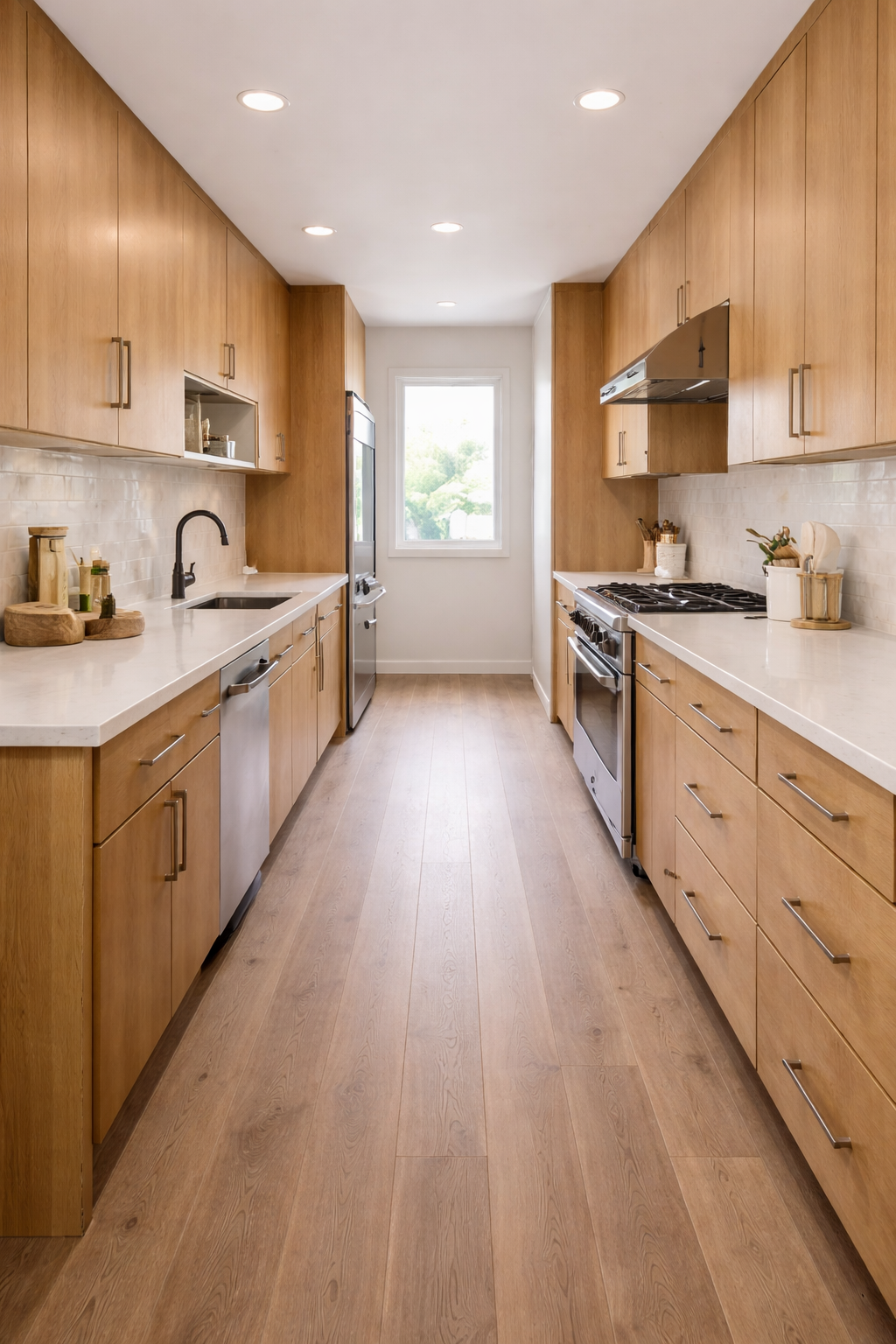
Galley layouts feature two parallel runs of cabinets with a walkway between them. They work especially well in narrow kitchens and are known for efficiency.
Best for:
- Smaller or narrow spaces
- Homes that prioritize function over seating
- Efficient cooking zones
L-Shaped Kitchens
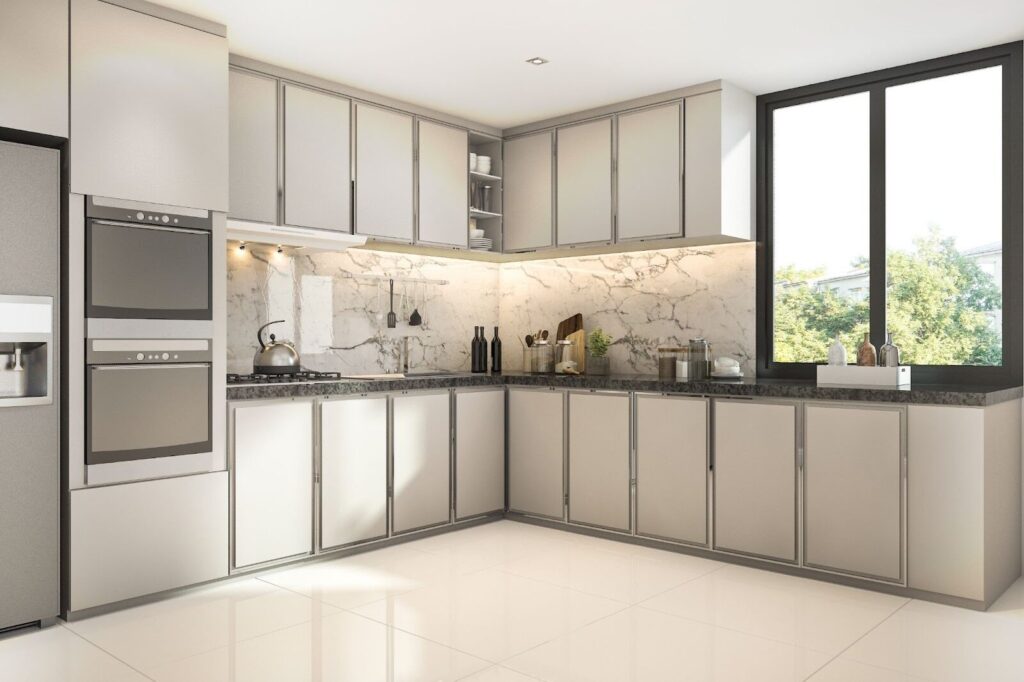
L-shaped layouts use two adjoining walls and are highly versatile. They allow flexibility in appliance placement and often open the kitchen to adjacent living spaces.
Best for:
- Open floor plans
- Medium to large kitchens
- Adding an island later
U-Shaped Kitchens
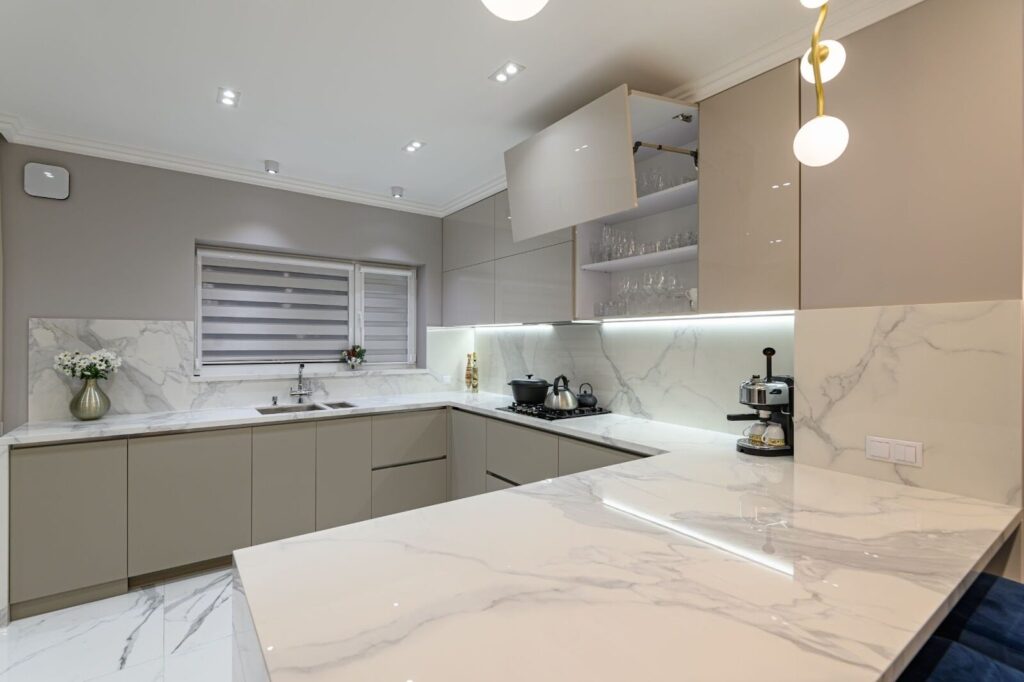
U-shaped kitchens surround the cook on three sides, offering generous storage and countertop space.
Best for:
- Larger kitchens
- Homes with frequent cooking
- Maximizing cabinet storage
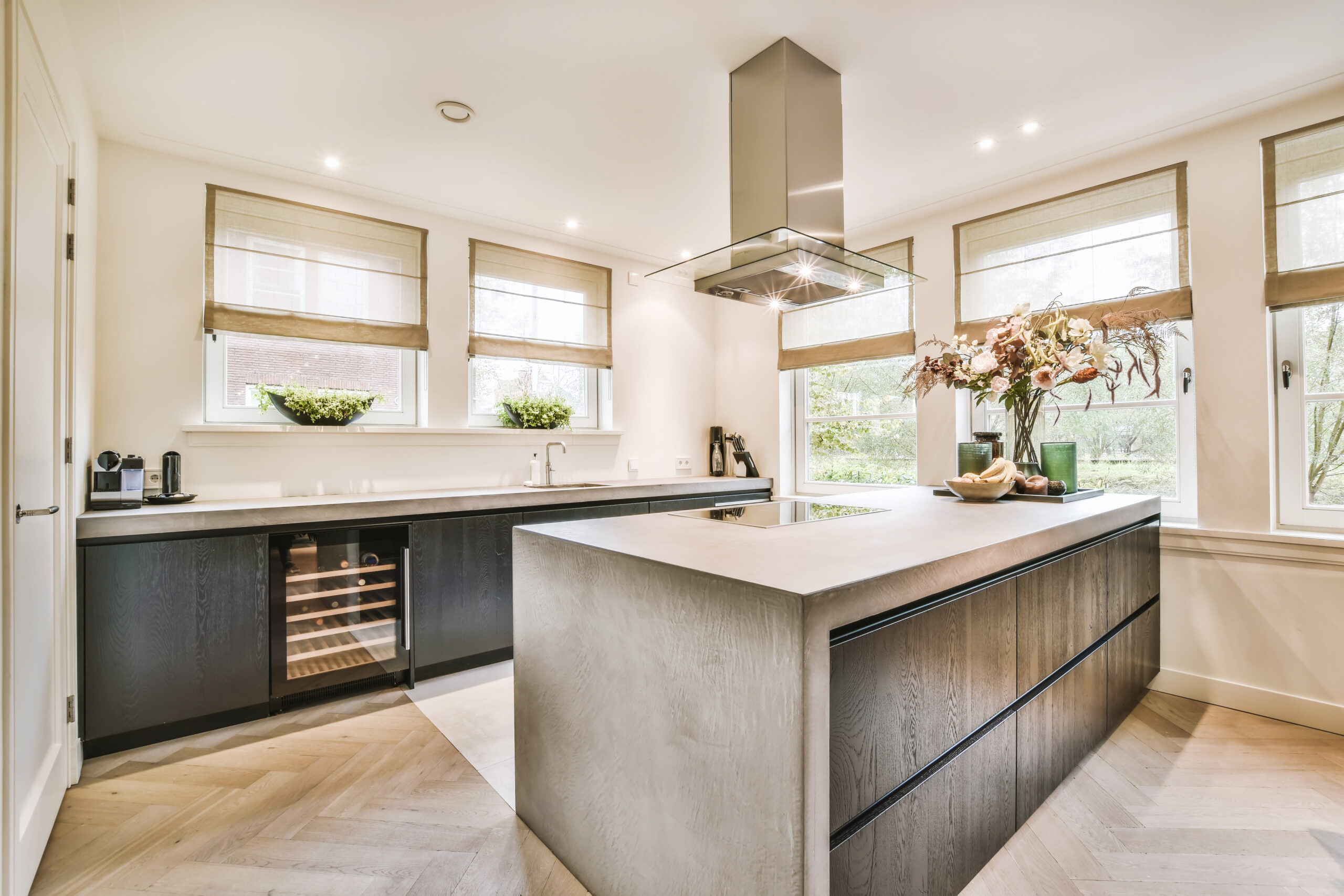
Island-Centered Layouts
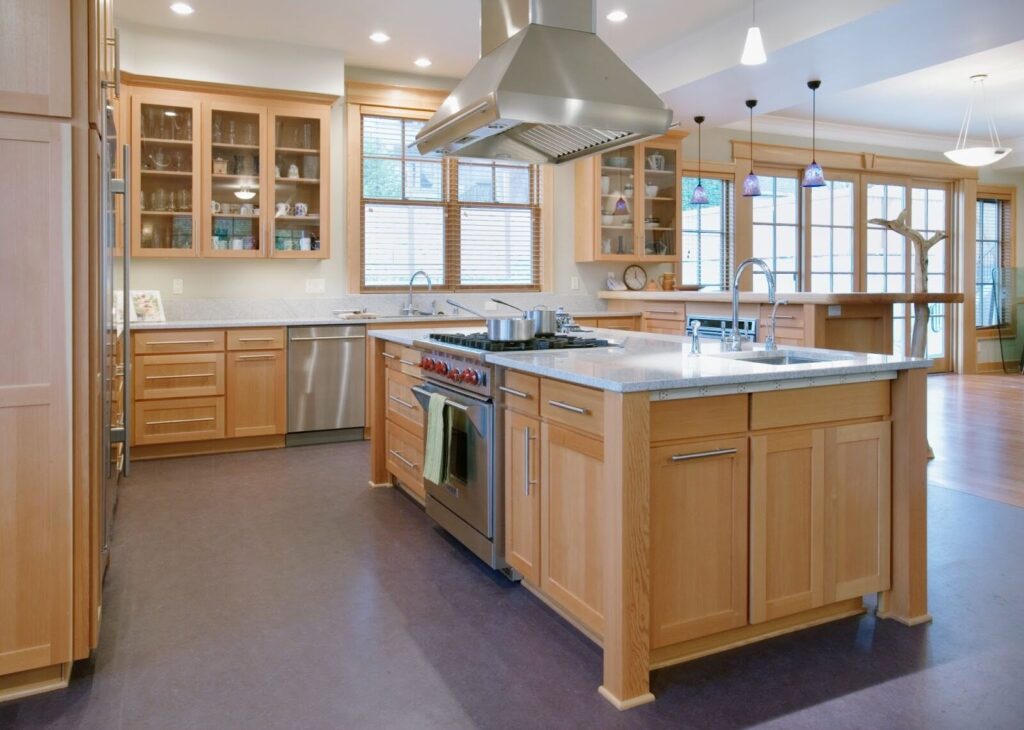
An island layout adds a central workspace that can include seating, storage, or appliances.
Best for:
- Entertaining and gathering
- Additional prep or serving space
- Creating a focal point in the kitchen
Not every kitchen needs an island. In some cases, removing one improves flow and functionality.
Think in Zones, Not Just Cabinets
A strong cabinet layout supports how you actually use the kitchen. Instead of thinking in straight lines of cabinets, think in zones.
Common kitchen zones include:
- Food storage (pantry, refrigerator)
- Prep space (countertops, drawers)
- Cooking (range, oven, spices)
- Cleaning (sink, dishwasher, trash)
- Serving or entertaining areas
When these zones are placed thoughtfully, everyday tasks feel smoother and more enjoyable.
Plan Storage Where It Makes Sense
Cabinet layout should guide storage placement, not the other way around.
Examples include:
- Drawers near the cooktop for utensils and cookware
- Pantry cabinets close to prep areas
- Trash and recycling near the sink
- Deep drawers for pots and dishes where they are used most
This approach reduces unnecessary movement and keeps the kitchen organized long term.
Avoid Common Layout Mistakes
Some layout issues are hard to spot until the kitchen is finished. A few common ones to watch for include:
- Blocking walkways with oversized islands
- Ignoring door and appliance clearance
- Overloading corner cabinets without proper solutions
- Placing frequently used storage too far from work zones
- Prioritizing symmetry over function
A layout should feel comfortable before it looks perfect.
Visualizing the Finished Kitchen
Many homeowners struggle to picture how a layout will actually feel. This is where professional design support becomes invaluable.
Designers help by:
- Creating scaled plans and renderings
- Adjusting layouts based on daily habits
- Balancing aesthetics with practical use
- Identifying issues before installation begins
Seeing the layout mapped out allows you to make confident decisions and avoid costly changes later.
Bringing the Vision Together
The right cabinet layout sets the foundation for everything that follows, from style and finishes to lighting and hardware. When layout is done well, the kitchen feels cohesive, intuitive, and tailored to your life.
Premium Wholesale Cabinets works closely with homeowners to design layouts that reflect how they live today and how they plan to use their kitchen in the future. With experienced designers, thoughtful planning, and custom cabinetry options, the focus remains on creating kitchens that are both beautiful and functional from day one.