
602.881.5640
Budgeting for Custom Cabinets: What To Know
Planning a kitchen or home remodel often starts with one important question: how much should be budgeted for custom cabinets? While custom cabinetry offers unmatched flexibility, quality, and design control, understanding the factors that influence cost is essential before moving forward.
Unlike stock or semi-custom cabinets, custom cabinets are built specifically for your space and preferences. That means pricing is not fixed. Instead, it reflects a combination of design decisions, materials, and installation considerations. Knowing what factors shape the overall investment helps homeowners plan with confidence and avoid surprises.
Why Custom Cabinets Are Priced Differently
Custom cabinets are designed and built to fit your exact layout. This process involves detailed measurements, tailored construction, and finishing work that goes far beyond off-the-shelf options.
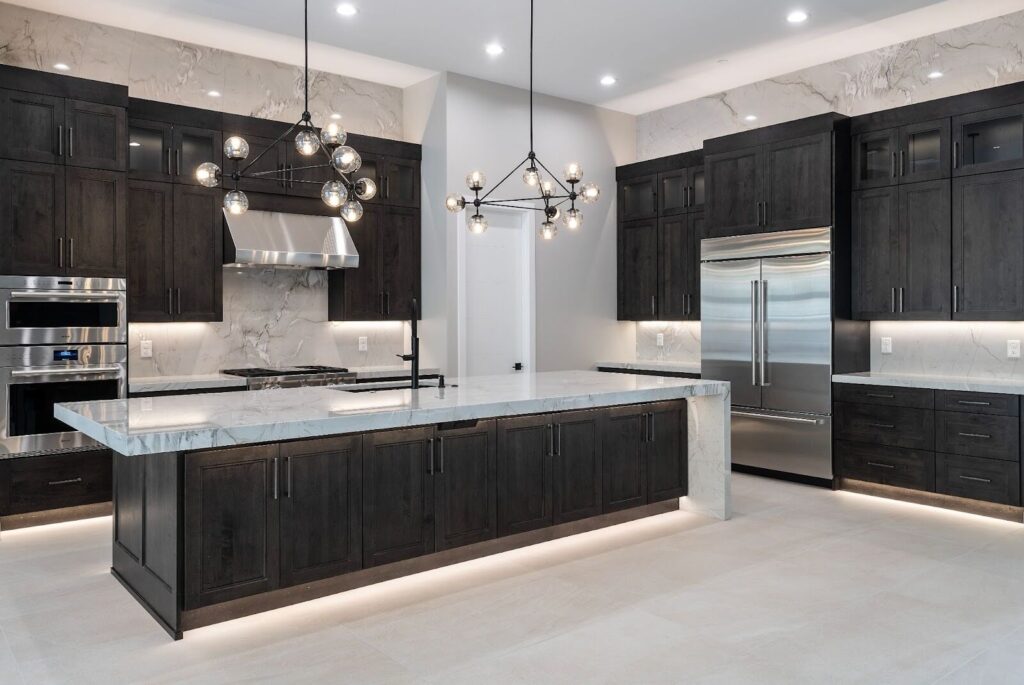
Key differences include:
- Cabinets built to precise dimensions
- Personalized layouts and storage solutions
- Higher-quality construction methods
- Custom finishes and hardware selections
- Professional installation tailored to the space
Because each project is unique, costs are determined by scope and complexity rather than a standard price list.
The Main Factors That Influence Custom Cabinet Costs
While no two projects are the same, several consistent factors play a role in overall cost.
Materials and Construction Quality
The materials used for cabinet boxes, doors, and drawers have a significant impact. Solid wood species, plywood construction, and upgraded joinery methods generally require more labor and craftsmanship than lower-grade materials.
Construction details such as drawer box design, hardware quality, and structural reinforcement also affect long-term performance and overall investment.
Cabinet Size and Layout
The number of cabinets, their dimensions, and how they are arranged all influence cost. Larger kitchens, additional storage zones, tall pantry units, and island cabinetry increase both material use and labor.
Layouts that involve complex corners, built-ins, or appliance integration also require additional planning and precision.
Hardware and Interior Features
Hardware choices and interior accessories can significantly shape both functionality and budget.
Examples include:
- Soft-close hinges and drawer glides
- Pull-out organizers and tray dividers
- Specialty storage inserts
- Integrated lighting or power access
These features improve daily use but add to the overall scope of the project.
Finishes and Surface Treatments
Finishing work is one of the most labor-intensive aspects of custom cabinetry. Painted finishes, stains, and specialty treatments require multiple steps to ensure durability and a consistent appearance.
Custom color matching, specialty coatings, or detailed finishing techniques increase the level of craftsmanship involved.
Installation and Site Conditions
Installation is a critical part of the investment. Factors that influence installation complexity include existing wall conditions, ceiling height, floor levelness, and how cabinets integrate with appliances and countertops.
Professional installation ensures cabinets fit properly, function smoothly, and maintain their appearance over time.
How to Think About Your Cabinet Budget
Rather than focusing on a single number, homeowners should approach cabinet budgeting as a planning process.
Helpful considerations include:
- How long you plan to stay in the home
- How heavily the kitchen or space will be used
- Which features improve daily function the most
- Where quality matters more than aesthetics
Custom cabinets often deliver value through durability, better use of space, and long-term satisfaction rather than short-term savings.
Custom vs. Semi-Custom vs. Stock Cabinets
Understanding the differences between cabinet types can help clarify expectations.
- Stock cabinets offer limited sizing and finishes but lower upfront costs
- Semi-custom cabinets provide some flexibility in dimensions and options
- Custom cabinets allow complete control over layout, materials, and features
Custom cabinetry is best suited for homeowners who want a tailored solution, unique layouts, or higher performance over time.
Tips for Budgeting Without Overextending
To stay aligned with your goals:
- Prioritize layout and construction quality first
- Select upgrades that support how you actually use the space
- Be clear about must-have versus nice-to-have features
- Allow room in your budget for installation and finishing work
- Work with professionals early to refine the scope
Clear communication and realistic expectations make the process smoother.
Why Custom Cabinets Are a Long-Term Investment
Custom cabinets are designed to last. Their tailored fit, structural quality, and thoughtful design often translate into fewer repairs, better usability, and higher satisfaction over time.
When viewed across years of daily use, custom cabinetry often delivers greater value than options that require earlier replacement or compromise on function.
Plan Your Cabinet Budget With Premium Wholesale Cabinets
Understanding what influences cabinet costs helps you make informed decisions from the start. The right guidance ensures your budget aligns with both your design vision and practical needs.
Premium Wholesale Cabinets works with homeowners to design custom cabinet solutions that balance quality, functionality, and long-term value. Our team helps you explore options, understand trade-offs, and plan confidently without guesswork.
If you are considering custom cabinets for your home, connect with Premium Wholesale Cabinets to discuss your goals and begin the planning process.